The Quiet Codes of the Italian Aperitivo:
Elegance in the Prelude
The Italian aperitivo emerged in the late eighteenth century as a ritual of anticipation—a cultivated pause between daylight and evening, work and leisure. More than a drink, it became an architecture of appetite and composure, a subtle choreography of glass, gesture, and conversation. Its essence lies not in indulgence but in restraint: the selection of the right moment, the right measure, the right company. To understand it is to recognize a quiet language of elegance—one that speaks through pacing, placement, and the art of leaving things gracefully unsaid.
A Ritual of Intention, Not Excess
The aperitivo prepares; it does not perform. Its purpose is to awaken the palate through gentle bitterness, subtle acidity, and light salinity. The classic profile leans dry and slightly bracing: aperitivi based on vermouth, amaro, or fortified wines, occasionally lifted by citrus or soda. The effect is physiological: bitterness triggers salivation and primes appetite, effervescence resets the palate, and sweetness is the intruder—it belongs to dessert, not to the prologue.
This is why the best aperitivo orders are composed rather than loud: a perfectly chilled vermouth bianco on the rocks with a lemon twist; an Americano; a Negroni served tight and cold; or a simple Spritz executed with proportion and backbone. Each announces intention: the evening is about to begin.
Time and Place: The Window That Matters
Aperitivo starts when work ends and the city exhales—roughly 6:00 to 8:00 p.m. It is not a late-night improvisation. Arrive within this window and you participate in the live current of the neighborhood. Sit at the bar or take a standing table on the terrace if available; both signal tempo and brevity. Linger too long and the ritual loses clarity. The aperitivo is a bridge, not a destination.
Location matters. In Milan, contemporary hotel lounges refine the tradition with precise glassware and a minimal plate of snacks; in Turin, vermouth houses lean historic, with cut crystal and meticulous garnishes; in Rome, the best neighborhood bars combine an easy stride with Roman skepticism toward fuss. Select a venue that reads polished rather than theatrical. Avoid menus heavy with syrups or neon garnishes. The right room feels composed and comfortably quiet.
The Table: Snack, Don’t Graze
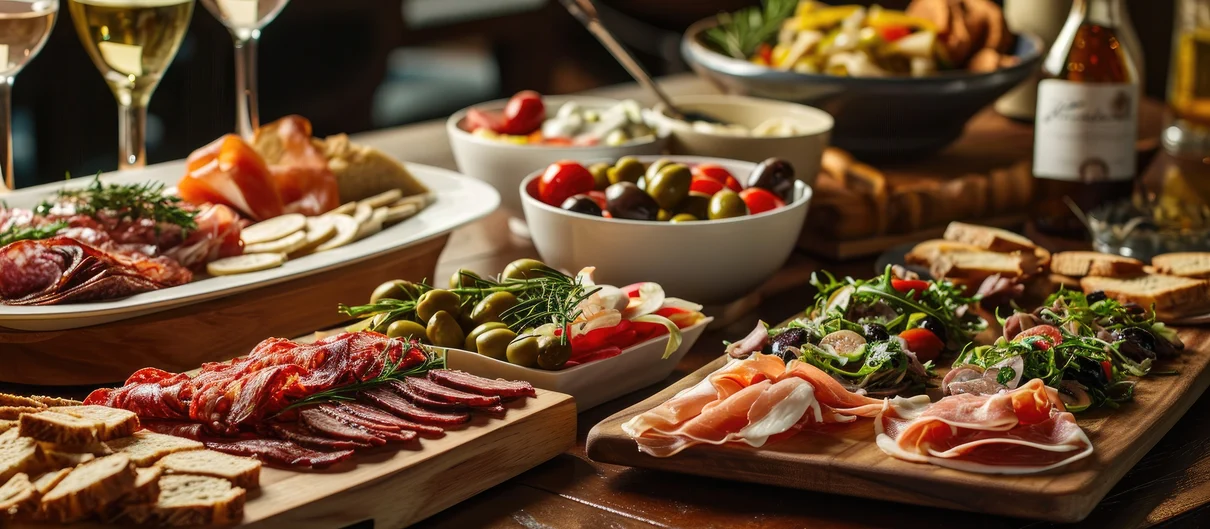
The accompaniments are punctuation, not paragraphs. Marinated olives, salted almonds, grissini, thin crisps, a wedge of mild cheese, maybe a small tramezzino if the house is generous. The rule is simple: taste, do not eat. Save appetite for dinner. A table cluttered with plates suggests indecision and dilutes the aperitivo’s essential clarity. Decline heavy canapés. Accept a small bowl and keep the surface spare.
Ordering with Intention
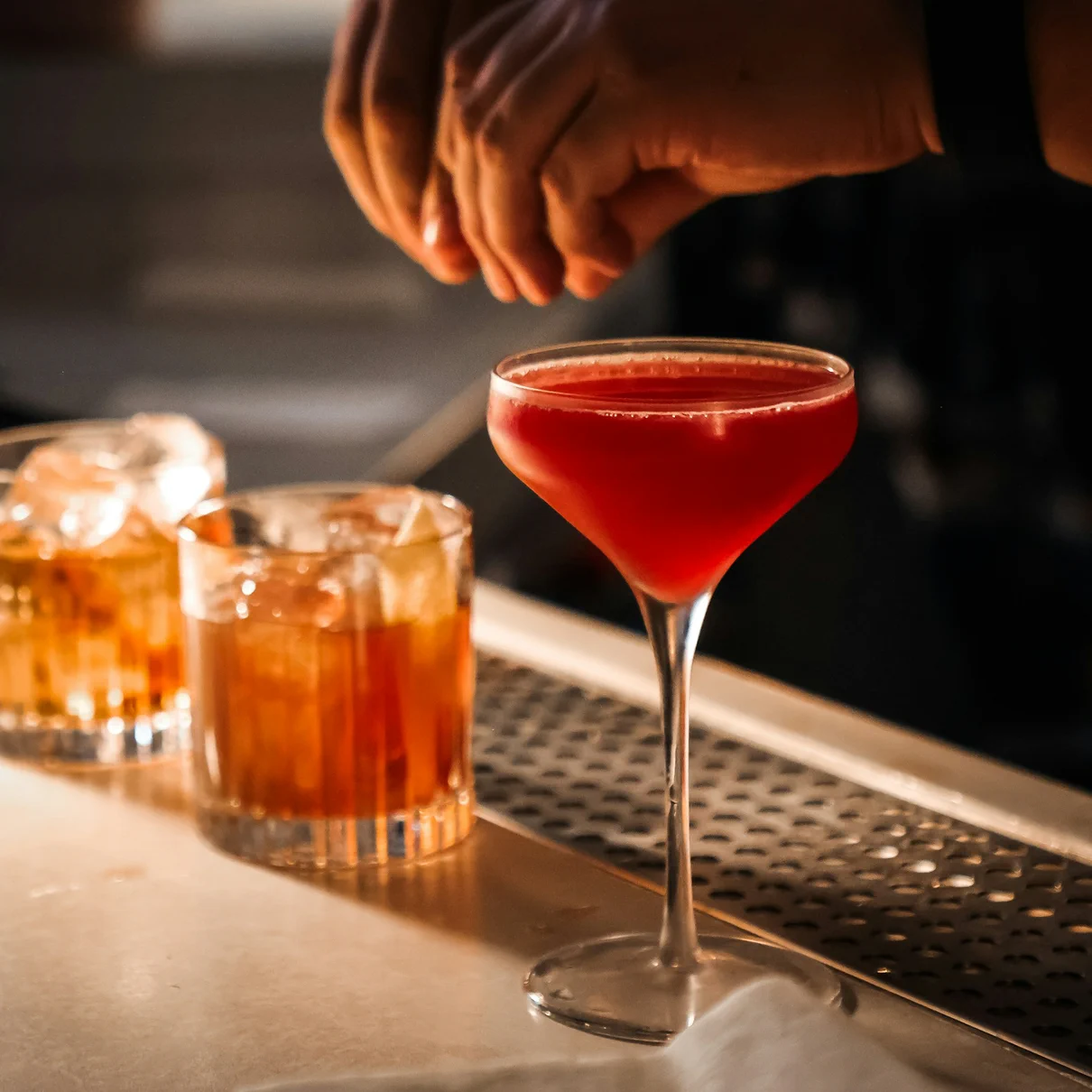
Vermouth on the Rocks: Bianco with a lemon twist for brightness, Rosso with an orange peel for structure. Specify brand if the bar carries reputable labels. Ask for it well-chilled, not drowned.
Americano: Campari, sweet vermouth, soda. Low-ABV, long, and elegant. Choose this when conversation is the focus and dinner is near.
Negroni: Equal parts gin, Campari, sweet vermouth. Stirred, served up or over a single large cube. A classic for those who prefer a firmer edge. One is sufficient.
Spritz, Properly Built: Three parts dry Prosecco, two parts bitter (Select, Campari, or Aperol if you must), one part soda. Request a restrained pour and a clean orange slice, no fruit salad.
Fino or Manzanilla Sherry: Not Italian, but increasingly present in serious bars. Saline, dry, and exacting. Appropriate in cosmopolitan settings.
When in doubt, ask for the house specialty with dry parameters: “bitter-forward and not sweet.” In Italy, this signals alignment with tradition.
In Italy, the aperitivo is less about what’s in the glass and more about the moment it frames. A well-chosen non-alcoholic drink fits seamlessly within the ritual — an affirmation of presence rather than abstention. Across Milan and Florence, bartenders now craft zero-proof blends of herbs, citrus, and botanicals that evoke the same poise as a Negroni or a spritz. Even a simple sparkling water with lemon, served in fine glassware, carries the same quiet intention: to open the evening with clarity, conversation, and restraint.
The Quiet Etiquette
Keep it to one or two drinks. This preserves the prelude and maintains a clear palate for dinner.
Minimal fragrance and minimal noise. Aromas collide easily with bitter profiles. Voices should sit in the midrange.
Pay at the end, discreetly. In Milan and Turin, table service is common; in small Roman bars you may pay at the counter. Either way, avoid ceremony.
Tipping is modest. Rounding up or leaving small change is sufficient. In high-end hotel bars, a 5–10% tip is appropriate but not required.
Phone down. The aperitivo is a social technology for making a room feel intelligent. Contribute to that effect.
Reading the Room
Well-run bars broadcast their standards quietly. Look for cold, clean glassware; measured pours; ice that doesn’t fracture; and bartenders who garnish with restraint. A bowl of olives that arrives chilled signals care. A spritz that holds its structure rather than foaming wildly indicates proportion and fresh prosecco. If the snack spread resembles a buffet, quality is likely inconsistent. Choose precision over abundance.
Regional Notes Worth Knowing
Milan: The business city. Expect sharp tailoring in both service and clientele. Try a Sbagliato at a serious cocktail bar, made with quality sparkling wine and stirred cold.
Turin: Vermouth capital. Order a flight of vermouths—dry, bianco, rosso—served neat with citrus. Learn your preference before you leave.
Venice: A Select Spritz aligns with local taste. Pair with cicchetti sparingly and keep the portion tight.
Rome: Bitter is respected, but formality is questioned. An Americano or a minimalist Negroni feels correct in neighborhood institutions.
Bologna and Emilia: Rich cuisines benefit from dry aperitivi. Fino sherry or a precise Martini served light on vermouth can be ideal.
Glassware and Temperature: The Invisible Luxury
Aperitivo drinks rely on temperature and dilution more than complexity. Insist, silently, through your choices. Drinks served up should be cold to the stem. Rocks drinks should arrive over clear, large-format ice. If a Negroni appears with small pebbled ice or excessive melt, slow your pace and do not order a second. If a vermouth is warm, request fresh ice and a lemon twist. The best bars correct such errors before you notice.
Hosting the Aperitivo at Home
When business brings guests to your hotel suite or apartment, replicate the codes simply:
One bitter, one vermouth, one dry sparkling wine.
Large-format ice, peel of lemon and orange, chilled olives, salted nuts, thin crackers.
Two drinks maximum per guest.
No loud music. A low instrumental playlist at 60–70 BPM is sufficient.
End on time. Invite dinner to assume its role.
The goal is not to impress but to create a clean runway into the meal.
The Final Note: Elegance in Restraint
Italy understands the art of beginnings. The *aperitivo’s* brilliance lies in what it withholds—sugar, noise, excess. Done well, it refines the evening’s edges, steadies conversation, and allows dinner to unfold with quiet confidence. Arrival matters as much as departure: come within the right hour, order with intention, keep the table uncluttered, pay without spectacle, and leave just before comfort turns to habit. What follows carries the weight of anticipation.
Enjoyed this article?
Want more insights on wellness, fulfillment, and high-performance living? Subscribe to our newsletter for exclusive updates and resources.